
Hundi in the context of traditional Indian trade?
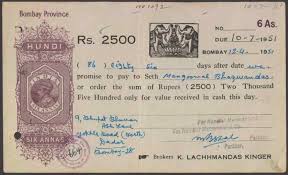
What was a hundi in the context of traditional Indian trade?
A) A type of tax collected from peasants
B) A type of land revenue document
C) A bill of exchange used for transferring money
D) A religious donation receipt
EXPLANATION
In the context of traditional Indian trade, a hundi was:
-
A financial instrument or bill of exchange, used by merchants, traders, and bankers.
-
It served as a written order directing one person to pay a certain sum of money to another.
-
Hundis were used for:
-
Transferring money over long distances,
-
Providing credit, and
-
Facilitating trade safely without the need to carry cash.
-
Additional Notes:
-
Hundis were written in vernacular languages and widely used during Mughal and British periods.
-
They functioned somewhat like modern cheques or promissory notes.
-
The system was managed by indigenous bankers (shroffs or seths).
✅ Hence, the correct answer is:
(C) A bill of exchange used for transferring money


Leave a Reply
Want to join the discussion?Feel free to contribute!